

Colorado National Monument: Towering Canyons and Sweeping Vistas
Perched on the western edge of Colorado, near the city of Grand Junction, Colorado National Monument is a breathtaking expanse of towering sandstone monoliths, deep canyons, and sweeping desert landscapes. Often overshadowed by Colorado’s more famous mountain parks, this rugged wonderland offers a different kind of beauty—one defined by sheer cliffs, winding red rock canyons, and the vast, open skies of the high desert. Whether you’re driving the dramatic Rim Rock Drive, hiking among the rock formations, or watching the sun cast golden light across the cliffs, Colorado National Monument has a way of making visitors feel small in the best possible way.
I came here last year and found these canyons, and they feel like the heart of the world to me. I’m going to stay and build trails and promote this place, because it should be a national park. – John Otto
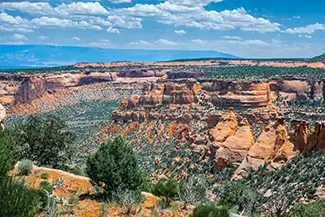
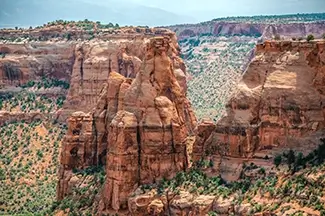
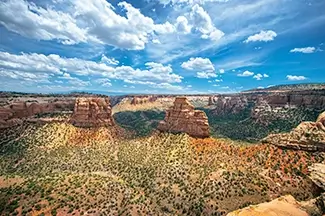
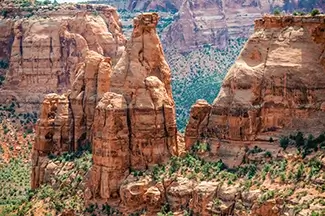
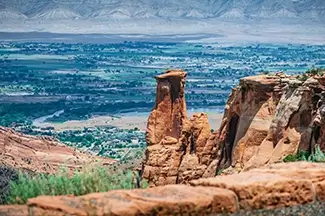
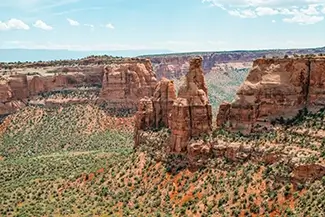
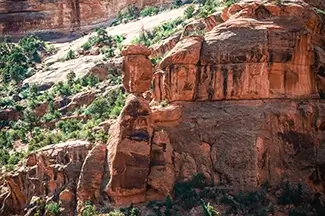
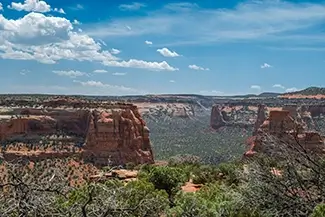
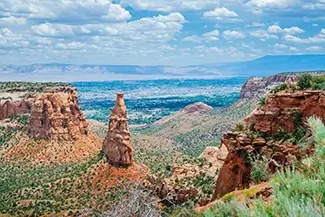
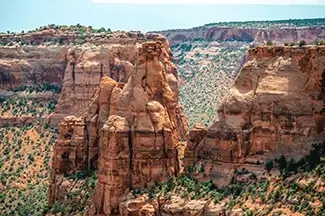
The dramatic cliffs and towering rock spires of Colorado National Monument tell a story millions of years in the making. This landscape was formed through a combination of uplifting forces, erosion, and the slow but persistent work of wind and water carving through layers of rock. The towering formations seen today, like Independence Monument and the Kissing Couple, are remnants of what was once a vast plateau, slowly chiseled away over time. The exposed rock layers reveal an ancient past, with some formations dating back nearly 200 million years.
While the canyons and cliffs are the most striking features, Colorado National Monument also includes sweeping desert plateaus, hidden alcoves, and seasonal washes that come alive with flashes of green after summer monsoons. Throughout the year, the landscape shifts dramatically with the seasons—harsh and sunbaked in the summer, dusted with snow in the winter, and bursting with color in the spring when wildflowers bloom in the cracks between the rocks.

The Saddlehorn Visitor Center is the perfect starting point for exploring Colorado National Monument, offering exhibits on the park’s geology, wildlife, and human history. Large windows provide stunning views of the canyons, while rangers are available to answer questions, recommend trails, and provide updates on road and weather conditions. A small gift shop carries maps, books, and souvenirs, making it a great stop before heading into Colorado National Monument’s vast landscapes.
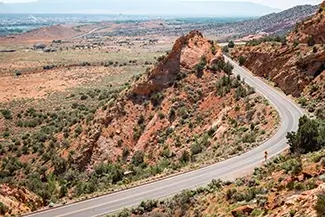
For those who want to take in the beauty of Colorado National Monument without venturing too far from their vehicle, Rim Rock Drive offers a spectacular way to experience the park. This 23 mile road winds along the cliff’s edge, hugging the canyon walls and providing some of the most breathtaking panoramic views in the region. With sharp switchbacks, tunnels carved through the rock, and overlooks that seem to stretch endlessly into the distance, the drive itself is an adventure.

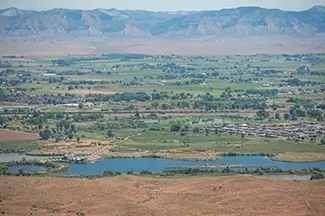
The road climbs from the Grand Valley floor, quickly gaining elevation and revealing ever-expanding views of the canyons below. Along the way, numerous pullouts allow visitors to stop, take in the sights, and even spot wildlife. Early morning and late evening are the best times to drive, as the changing light transforms the rock formations into glowing shades of orange, red, and purple. It’s also when you’re most likely to see bighorn sheep navigating the cliffs or golden eagles soaring overhead.
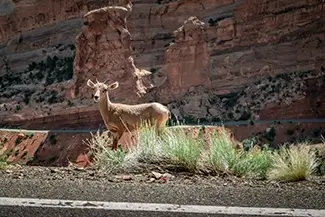
Despite the harsh desert conditions, Colorado National Monument is teeming with wildlife. Bighorn sheep are one of the most iconic species here, often spotted on rocky outcroppings or moving gracefully along seemingly impossible ledges. Mule deer are common in the early mornings and evenings, quietly grazing in the shrubs, while coyotes can sometimes be heard howling in the distance.

Birdwatchers will find plenty to enjoy, with golden eagles, red-tailed hawks, and peregrine falcons soaring above the cliffs. Smaller birds, like canyon wrens and rock wrens, flit among the boulders, their songs echoing through the canyons. In the summer, lizards are a constant presence, darting across sun-warmed rocks, and if you’re lucky, you might spot a collared lizard standing tall on its hind legs as it dashes across the trail.
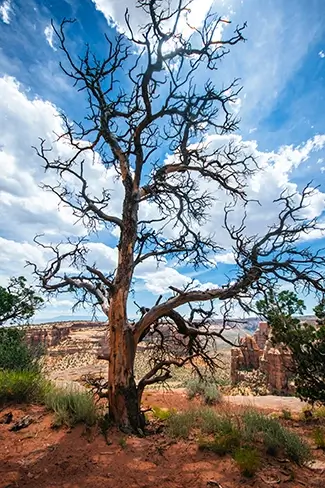
Plant life here is equally fascinating. The landscape is dominated by pinyon pines and juniper trees, their twisted trunks shaped by years of exposure to wind and drought. Bright bursts of color come in the form of prickly pear cacti, Indian paintbrush, and vibrant desert marigolds, which bloom after rainstorms.

For those who want to extend their visit, camping at Colorado National Monument offers an incredible way to experience the park after dark. Saddlehorn Campground, located near the visitor center, provides a chance to sleep under a vast, star-filled sky. With minimal light pollution, Colorado National Monument is an excellent place for stargazing, where the Milky Way stretches clearly across the sky and shooting stars frequently streak through the darkness.
Evenings at Colorado National Monument have a special kind of stillness. As the sun sets, the red rock formations take on deeper shades of crimson and purple, and the temperature drops, bringing a refreshing coolness to the desert air. Sitting outside a tent, with the distant call of a coyote in the background and a sky overflowing with stars, is an unforgettable way to end a day of exploring.

Colorado National Monument is a place that surprises people. The towering cliffs and winding canyons hold an almost otherworldly beauty, yet the park remains relatively uncrowded compared to some of Colorado’s more famous destinations. Whether driving Rim Rock Drive, hiking into the depths of Monument Canyon, or watching a golden eagle glide effortlessly through the sky, there’s a feeling of vastness here that’s hard to describe. It’s a place where time slows down, where the desert sun shapes the land inch by inch, and where every visit reveals something new.
Colorado National Monument Trails
While the drive offers incredible views, the best way to truly experience Colorado National Monument is on foot. The park is home to a variety of trails, ranging from short, scenic walks to more challenging routes that lead deep into the canyons.
One of the most popular trails is Serpents Trail, a historic route that was once the original road into Colorado National Monument. Often called “the crookedest road in the world,” this 3.8 mile round-trip hike features a series of switchbacks that climb steadily up to a stunning overlook. The elevation gain is substantial, but the views of the valley below make the effort worthwhile.
For a less strenuous but equally rewarding hike, Coke Ovens Trail is a great choice. This 0.9 mile round-trip trail leads to a viewpoint overlooking a series of massive, rounded rock formations known as the Coke Ovens. These dome-shaped structures were shaped by centuries of erosion and resemble giant stone beehives stacked along the canyon rim.

Another fantastic hike is Monument Canyon Loop Trail, which offers some of the best views of Independence Monument, the park’s most famous rock spire. This 4.5 mile out-and-back trail descends into the canyon, winding through towering sandstone walls before reaching the base of the monolith. Hikers often see lizards skittering across the rocks and, occasionally, bighorn sheep grazing along the ledges.
For those who prefer a shorter hike with great views, Otto’s Trail is a quick 0.7 mile round-trip walk that leads to an incredible overlook. Named after John Otto, the park’s early advocate, the trail provides a close-up view of several rock formations and is especially beautiful at sunrise or sunset.
What’s Nearby Colorado National Monument
West of Colorado National Monument, Arches National Park and Canyonlands National Park showcase Utah’s stunning red rock landscapes, while Dead Horse Point State Park offers incredible canyon overlooks. Each park features dramatic geology shaped by wind and water, perfect for hiking and photography.

Closer to home, Black Canyon of the Gunnison National Park stuns with sheer cliffs plunging into the Gunnison River, while the Maroon Bells near Aspen provide a peaceful alpine escape with towering peaks and reflective lakes. These nearby destinations highlight the region’s incredible diversity.
Colorado National Monument Parking Information
Parking is available at several key locations throughout Colorado National Monument, including the Saddlehorn Visitor Center, major trailheads, and scenic overlooks along Rim Rock Drive. The Saddlehorn Campground also has designated parking for campers. During peak seasons, popular spots can fill up quickly. Larger vehicles, including RVs, should be cautious on the winding roads and use designated pullouts for safe parking.
Further Reading
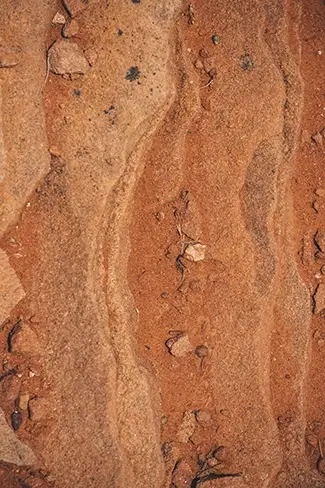
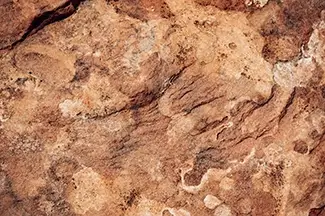
Colorado National Monument Stock Photography
Explore our high-resolution images captured at Colorado National Monument.
Available for personal & commercial use.


















Colorado National Monument Address & Directions