

Denver Botanic Gardens: A Living Tapestry of Nature
Nestled in the heart of Denver, Colorado, the Denver Botanic Gardens is a living, breathing celebration of nature’s diversity. Spread across two main locations—York Street in the bustling city center and Chatfield Farms in the scenic suburbs—this botanical wonderland offers visitors an unforgettable blend of lush gardens, art installations, natural trails, and immersive educational experiences. Whether you’re a plant enthusiast, an art lover, a history buff, or simply someone looking for a peaceful escape, the Denver Botanic Gardens has something for everyone.
Denver Botanic Gardens is a beautiful, peaceful escape where vibrant gardens, scenic trails, and a touch of Colorado’s natural charm come together perfectly.
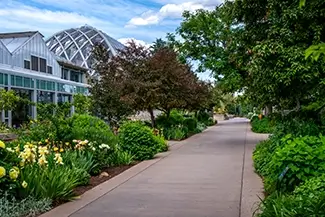
The York Street location, situated in Denver’s charming Cheesman Park neighborhood, serves as the flagship site of the Denver Botanic Gardens. Covering 24 acres, this urban sanctuary is a vibrant testament to the beauty and diversity of plant life from around the world. As you step through its gates, the bustling noise of the city fades away, replaced by the soothing sounds of rustling leaves, chirping birds, and trickling water features. Denver Botanic Gardens here are thoughtfully designed, blending traditional botanical garden aesthetics with innovative sustainable practices.
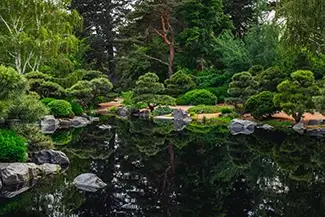
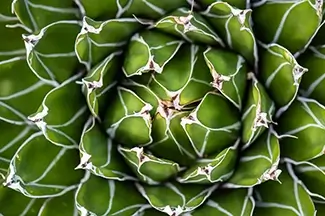
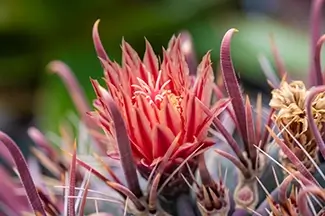
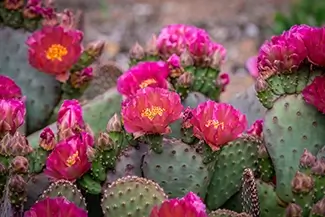
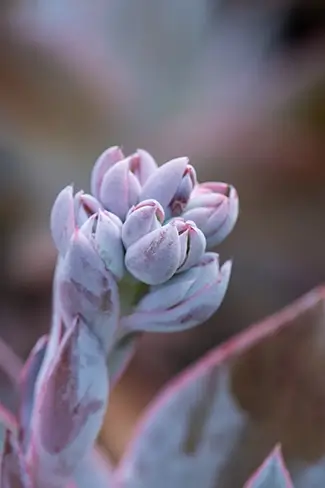
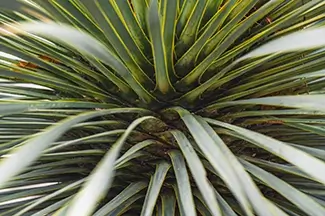
Wandering through the Gardens of the West, you’ll find yourself surrounded by an array of plants that thrive in Colorado’s semi-arid climate. The Dryland Mesa is particularly striking, showcasing hardy, drought-tolerant species like flowering cacti and sagebrush, their vibrant colors and unique textures standing out against the backdrop of Denver’s clear blue skies. Moving from the arid landscapes of the West to the serene tranquility of the Japanese Garden, known as Shofu-en or “Garden of Wind and Pines,” you’ll encounter an entirely different atmosphere. Designed in 1979 by Koichi Kawana, this peaceful retreat features koi ponds, meticulously pruned pines, stone lanterns, and carefully raked gravel that invite quiet reflection.

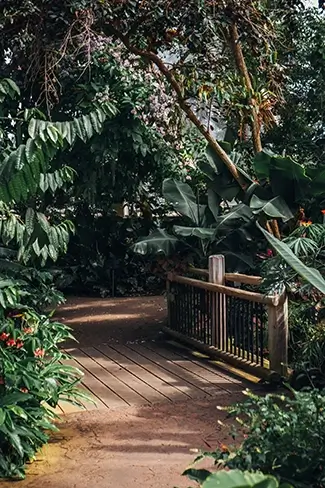
For a taste of the tropics, the Boettcher Memorial Tropical Conservatory offers a lush, rainforest-like experience. Inside this striking glass structure, towering palms, vivid orchids, and delicate bromeliads thrive in the warm, humid air. The contrast between the arid gardens outside and the tropical paradise within is nothing short of magical. As you continue your journey, the Fragrance and Romantic Gardens beckon with their sensory delights. The air is filled with the sweet scents of lavender, jasmine, and roses, while bees and butterflies flit from blossom to blossom, creating a scene that feels straight out of a fairy tale.
One of the most striking modern features of York Street is the Science Pyramid. Its sleek, glass-paneled exterior stands out among the surrounding greenery, symbolizing the fusion of nature and technology. Inside, interactive exhibits delve into plant science, climate change, and sustainability, offering visitors a chance to learn about the critical role plants play in our world while enjoying stunning panoramic views from the observation deck.

While York Street dazzles with its cultivated beauty, Chatfield Farms, located about 30 minutes southwest of downtown Denver, offers a different kind of natural experience. This 700-acre preserve feels like stepping into the Colorado countryside, with wide-open spaces, historic farm buildings, and expansive views of the foothills. Here, nature is less curated and more wild, with prairies, wetlands, and woodlands coexisting alongside working agricultural fields.
Chatfield Farms is where the Denver Botanic Gardens’ mission to connect people with plants takes on a more rugged, immersive quality. It’s about understanding the ecosystems that make Colorado unique. The land itself tells a story, from its days as farmland to its current role as a sanctuary for both native plants and wildlife.

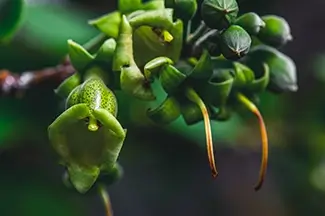
Both York Street and Chatfield Farms showcase an astonishing diversity of plant life, reflecting the Denver Botanic Gardens’ commitment to conservation and education. At York Street, the focus is on curated gardens representing ecosystems from around the world. You’ll encounter everything from desert succulents and alpine wildflowers to lush tropical species thriving in carefully controlled environments. Each section is a lesson in plant adaptation and resilience, showing how life finds a way to flourish even in the most challenging conditions.
In contrast, Chatfield Farms emphasizes native plants and natural ecosystems. Here, the wildflowers grow in abundance, not confined to garden beds but spilling across open fields and meadows. Native grasses sway in the wind, their subtle beauty often overlooked but essential to the health of the prairie ecosystem. Wetlands, rich with biodiversity, support not just plant life but an array of wildlife. Deer are common sightings, often pausing to graze at the edges of the fields, while foxes dart through the underbrush, and the occasional coyote call echoes across the landscape.

Birdwatchers find Chatfield Farms particularly rewarding. The wetlands attract waterfowl, while the open fields and wooded areas provide habitat for songbirds, raptors, and even the majestic bald eagle. The presence of these animals is a gentle reminder that Denver Botanic Gardens are part of a larger ecological network, one that extends beyond the boundaries of cultivated spaces.
The story of the Denver Botanic Gardens is deeply intertwined with the history of Denver itself. Established in 1951, Denver Botanic Gardens initially occupied a modest space in City Park before moving to their current location at York Street in the 1960s. The site has its own historical significance, as it was once part of Denver’s early cemetery grounds. Over time, what was once a somber resting place transformed into a vibrant space for life, learning, and community.

At Chatfield Farms, history is even more palpable. The land was once home to pioneering families who farmed the fertile soil along Deer Creek. Many of the original 19th-century farm structures still stand today, weathered but sturdy, their presence a testament to the area’s agricultural past. Walking through Chatfield, you can almost hear the echoes of the past—the creak of wagon wheels, the voices of farmers calling across the fields, the timeless rhythm of life connected to the land.
Whether you’re wandering through the vibrant, cultivated spaces of York Street, hiking the peaceful trail at Chatfield Farms, or simply sitting quietly among the flowers, Denver Botanic Gardens offer a chance to reconnect with nature, with history, and with yourself. Every visit tells a new story, shaped by the changing seasons and the timeless beauty of the natural world. So the next time you find yourself in Denver, take a break from the city’s hustle and bustle. Step into Denver Botanic Gardens, breathe deeply, and let the sights, sounds, and scents remind you of the simple, enduring magic of the natural world.
Denver Botanic Gardens Trails
The real adventure at Chatfield Farms begins when you set out on the Denver Botanic Gardens at Chatfield Trail. This trail weaves through the diverse landscapes of Chatfield Farms, offering an intimate encounter with Colorado’s natural beauty. As you walk, the scenery unfolds gradually—open meadows give way to groves of cottonwood trees, their leaves shimmering like coins in the sunlight. The trail meanders alongside wetlands where cattails sway gently, and if you pause quietly, you might catch sight of a heron standing motionless in the shallow water, hunting for its next meal.
c
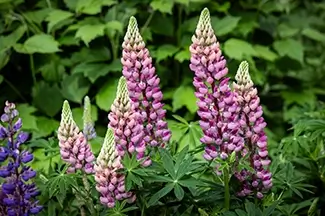
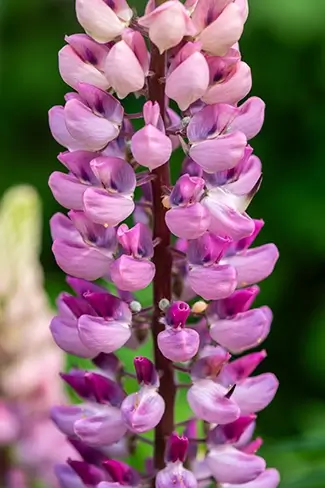
Wildflowers add bursts of color throughout the warmer months. Depending on the season, you might see vibrant Indian paintbrush, delicate lupines, or cheerful sunflowers nodding in the breeze. The sounds along the trail are a symphony of nature—birdsong, the rustle of grasses, and the occasional distant call of a red-tailed hawk soaring overhead. It’s an easy walk, suitable for all ages, but what it lacks in ruggedness it more than makes up for in tranquility and natural beauty.

The trail also offers glimpses of Chatfield’s rich agricultural history. Old farm equipment rusts quietly under the open sky, and weathered barns stand as silent witnesses to the generations who once worked this land. It’s a place where history feels present, not as something distant and forgotten, but as part of the living landscape.
What’s Nearby Denver Botanic Gardens
Just a short drive from the Denver Botanic Gardens, the Denver Zoo in City Park offers an exciting wildlife experience with over 3,000 animals from around the world, including elephants, lions, and rare species like the Amur leopard. It’s a perfect complement to Denver Botanic Gardens, blending nature and conservation in an urban setting.

For those craving mountain scenery, head to Loveland Pass or Rocky Mountain National Park. Loveland Pass, perched at 11,990 feet, offers breathtaking views along the Continental Divide, while Rocky Mountain National Park, about 90 minutes from Denver, showcases rugged peaks, alpine lakes, and abundant wildlife, making it an iconic Colorado adventure.
Denver Botanic Gardens Parking Information
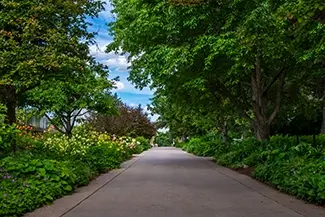
Parking is convenient at Denver Botanic Gardens, with an underground garage at York Street and ample surface lots at Chatfield Farms. Both locations are accessible, with paved pathways and rental wheelchairs available. To ensure a comfortable visit, wear sturdy walking shoes, bring water, and don’t forget sunscreen, as Colorado’s high altitude can make the sun feel especially intense.
Further Reading
Denver Botanic Gardens Stock Photography
Explore our high-resolution images captured at Denver Botanic Gardens.
Available for personal & commercial use.


























Denver Botanic Gardens Address & Directions