

Pinnacles National Park: Climbing, Hiking, and Wildlife
Nestled in the heart of California, Pinnacles National Park is full of natural beauty and geological wonder. Located east of the Salinas Valley, this unique park is renowned for its striking rock formations, rich biodiversity, and fascinating history. Whether you’re an avid hiker, a wildlife enthusiast, or simply seeking a serene escape, Pinnacles offers something for everyone.
Pinnacles National Park is an amazing place with stunning rock formations and incredible hiking trails. We loved spotting the California condors soaring above the high peaks – a truly unforgettable experience.
Pinnacles National Park covers approximately 26,000 acres of rugged terrain. The park is divided into east and west sections, with no direct road connecting the two, making each entrance distinct in its offerings and experiences. The east side is accessible from Highway 25, while the west side is reached via Highway 146. Both entrances provide access to a network of trails that wind through the park’s varied landscapes.
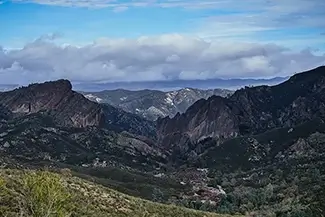
The park’s most prominent feature is its namesake pinnacles – towering rock spires and monoliths that are the remnants of an ancient volcanic field. These formations were created over 23 million years ago as part of the Neenach Volcano, located some 195 miles southeast of the current park. This geological activity began during the Miocene Epoch, a time when California’s landscape was dramatically different from today. The Neenach Volcano was part of the Farallon Plate subduction zone, which led to significant volcanic activity in the region.

Over millennia, tectonic activity along the San Andreas Fault played a pivotal role in shaping the landscape. The relentless movement of the Pacific Plate against the North American Plate caused sections of the volcanic rock to be transported northward. This process, known as tectonic transport, gradually carried the volcanic remnants to their present location. As the rocks were moved, they were subjected to intense pressure and fracturing, giving rise to the dramatic cliffs and pinnacles we see today.
The forces at work over these millions of years included both horizontal and vertical shifts, leading to the distinctive features that define Pinnacles National Park. The cliffs and spires, standing like sentinels over the landscape, are composed primarily of rhyolite, a volcanic rock that is rich in silica. This composition contributes to their rugged and imposing appearance. The erosion of these formations over time, due to wind and water, has further sculpted their unique shapes, creating narrow gorges, deep valleys, and sheer rock faces.
Visitors to Pinnacles can see clear evidence of this dynamic geological history in the park’s varied topography. The pinnacles themselves are a testament to the earth’s natural processes, offering a fascinating glimpse into the past. Hiking through the park, one can trace the geological timeline, observing layers of rock that reveal the story of ancient volcanic eruptions and the relentless power of tectonic forces. Each pinnacle, with its distinct shape and form, tells a part of this story, making Pinnacles National Park a living museum of geological history.

The interplay of tectonic activity and erosion has also created habitats for various species, adding to the park’s ecological richness. The rock formations provide nesting sites for the California condor and other birds, while the sheltered valleys support diverse plant life. This geological wonderland invites exploration and reflection, offering both adventure and insight into the natural forces that continue to shape our world.
Wildlife enthusiasts will find Pinnacles National Park a haven for observation, boasting a diverse array of species that thrive in its unique habitats. Among the most captivating residents is the majestic California condor, one of the largest flying birds in North America. With wingspans reaching up to 9.5 feet, these impressive birds are a sight to behold. The California condor was brought back from the brink of extinction through a dedicated conservation effort, and Pinnacles National Park has played a crucial role in this success story. Reintroduced to the park in 2003, the condors now soar above the high peaks, a symbol of hope and resilience. Visitors can often spot these magnificent birds gliding gracefully through the sky or perched regally on the park’s rugged rock ledges, scanning the landscape below.
In addition to the California condor, Pinnacles National Park is home to a variety of other notable wildlife. Bobcats and foxes roam the park, their elusive nature adding an element of mystery to the wilderness. These predators, along with a host of other mammals, birds, and reptiles, find sanctuary in the park’s diverse ecosystems. Birdwatchers will be delighted by the presence of over 160 bird species, including prairie falcons, golden eagles, and a variety of songbirds that fill the air with their melodies.

The park’s numerous caves also contribute to its rich biodiversity. Pinnacles National Park is renowned for its talus caves – unique formations created by massive boulders falling into narrow canyons, forming cave-like passages. These caves provide important habitats for over 14 species of bats, which roost in the dark, cool interiors. The Bear Gulch Cave and the Balconies Cave are two of the most popular spelunking spots in the park.
Bear Gulch Cave, in particular, serves as a seasonal habitat for the Townsend’s big-eared bat. To protect this sensitive species, parts of the cave are closed during the bats’ breeding season, typically from mid-May to mid-July. The Balconies Cave, accessible year-round, offers an adventurous experience for visitors willing to navigate its dark, narrow passages. A flashlight is essential for exploring these subterranean wonders, where the sounds of dripping water and the flutter of bat wings create an eerie yet fascinating atmosphere.
The flora of Pinnacles National Park is equally diverse and captivating. With over 600 species of plants recorded within its boundaries, the park showcases a remarkable variety of vegetation. The landscape is characterized by distinct habitats, including chaparral, oak woodlands, and riparian zones, each supporting its own unique plant communities. In spring, the park bursts into a riot of colors as wildflowers bloom in abundance. Mariposa lilies, poppies, bush lupine, and Indian paintbrush are just a few of the species that blanket the hillsides, creating a stunning tapestry of color. These vibrant displays of wildflowers not only enhance the park’s beauty but also provide essential resources for pollinators such as bees and butterflies.
The diverse plant life at Pinnacles National Park plays a critical role in sustaining the park’s ecosystems. Oaks, pines, and chaparral shrubs provide food and shelter for a wide range of wildlife, from small mammals and birds to insects and reptiles. Riparian areas, with their lush vegetation and flowing streams, offer vital habitats for amphibians and aquatic species. This intricate web of life underscores the importance of preserving and protecting the natural environments within the park.

For those interested in botany, Pinnacles National Park offers a fascinating array of plant species to study and admire. The park’s varied terrain, ranging from dry, rocky slopes to moist, shaded canyons, creates a mosaic of microhabitats that support an impressive range of flora. Botanists and nature enthusiasts can explore the park’s trails, taking note of the different plant communities and their adaptations to the diverse environmental conditions.
The human history of Pinnacles National Park is as intriguing as its natural features, weaving a rich tapestry of indigenous cultures, European settlement, and modern conservation efforts. The area has been inhabited for thousands of years, first by Native American tribes such as the Chalon and Mutsun. These indigenous peoples lived in harmony with the land, utilizing its resources sustainably and leaving behind numerous artifacts and rock art that provide deep insights into their way of life. The Chalon and Mutsun peoples crafted tools from local stone, hunted game, and gathered edible plants, creating a rich cultural heritage intimately connected to the natural environment of the Pinnacles.
Archaeological sites within the park reveal that the Chalon and Mutsun engaged in complex social and trade networks. Rock shelters and middens (ancient refuse heaps) found in the park indicate long-term habitation and sophisticated use of the landscape. The pictographs and petroglyphs they left behind are not only artistic expressions but also hold spiritual significance, often depicting animals, human figures, and abstract symbols that reflect their cosmology and daily life.

European settlers arrived in the late 1800s, drawn by the fertile lands of the Salinas Valley and the potential for mineral extraction. The discovery of valuable minerals such as mercury led to the establishment of small mining operations within the region. Settlers also introduced agriculture, taking advantage of the rich soil and favorable climate to cultivate crops and raise livestock. This period marked a significant transformation of the landscape, as lands were cleared and new communities established.
The turn of the 20th century saw a growing appreciation for the natural beauty and unique geological features of the Pinnacles. In 1908, President Theodore Roosevelt designated the area as a national monument, recognizing its exceptional value as a natural and cultural resource. This early conservation effort aimed to protect the distinctive rock formations and preserve the historical sites associated with Native American cultures and early settlers. Over the decades, the monument’s boundaries expanded, and its facilities improved to accommodate the increasing number of visitors drawn to its scenic and recreational opportunities.
In 2013, Pinnacles National Monument was elevated to national park status by President Barack Obama, further underscoring its significance and ensuring its protection for future generations. This designation brought increased funding and resources to the park, enhancing conservation efforts and visitor services.

Today, Pinnacles National Park offers a wealth of cultural and recreational opportunities that draw visitors from around the world. Hiking and wildlife watching are among the most popular activities, but the park is also a premier destination for rock climbing. The unique geology of Pinnacles, with its towering spires and sheer rock faces, provides a variety of climbing routes suitable for all skill levels. The west side of the park, in particular, is renowned for its excellent climbing areas. These routes offer climbers the challenge of navigating the rugged terrain and the reward of spectacular views from the summits.
For those interested in stargazing, Pinnacles’ remote location away from city lights makes it an ideal spot for observing the night sky. The clear, unpolluted skies provide excellent conditions for viewing celestial bodies, from the Milky Way to distant planets and galaxies. The park regularly hosts night hikes and astronomy programs led by rangers and volunteers, offering visitors a guided tour of the stars. These programs often include telescopes for close-up views of the moon and planets, as well as interpretive talks about the constellations and the mythology associated with them.
In addition to its natural and recreational attractions, Pinnacles National Park also serves as a living classroom for learning about geology, ecology, and history. Educational programs and guided tours are available for school groups and other visitors, providing hands-on experiences that deepen understanding and appreciation of the park’s resources. The visitor centers on both the east and west sides of the park offer exhibits, films, and informational materials that explore the park’s history, geology, and wildlife.

Volunteering is another way for visitors to engage with the park. Volunteers assist with a variety of tasks, from trail maintenance and habitat restoration to leading educational programs and staffing the visitor centers. These efforts are vital to the ongoing preservation and enhancement of the park, helping to ensure that it remains a vibrant and accessible destination for future generations.
When planning a visit to Pinnacles National Park, it is imperative to consider the practical details to ensure a seamless and enriching experience. The park is open year-round, providing ample opportunities for exploration; however, the optimal times to visit are during the cooler months of spring and fall. During these seasons, the temperatures are more conducive to outdoor activities, offering a more comfortable environment for hiking, climbing, and wildlife observation. In contrast, summer temperatures can soar above 100 degrees Fahrenheit, presenting significant challenges for those unaccustomed to intense heat and increasing the risk of heat-related illnesses.
The park is uniquely divided into east and west sections, each accessible through separate entrances. Both house visitor centers that provide essential services such as maps, information, restrooms, and educational exhibits. These visitor centers serve as critical hubs for orientation and planning, particularly given that there are no roads connecting the two sides of the park. This lack of direct connection necessitates careful planning for visitors who wish to explore both sections, as it requires a considerable drive around the park’s perimeter.

For those seeking an immersive experience, camping is available on the east side of the park at the Pinnacles Campground. This campground is well-equipped to accommodate a variety of camping preferences, offering tent sites, RV sites, and group campsites. The campground is designed with modern amenities such as potable water, showers, and a swimming pool, which provide a level of comfort and convenience that enhances the overall camping experience.
The availability of showers and potable water is particularly beneficial for extended stays, ensuring that campers can maintain hygiene and hydration with ease. Given the popularity of the park, particularly during peak seasons, it is highly recommended to make reservations in advance. This ensures that you secure a spot and can plan your visit without the uncertainty of finding last-minute accommodations.
Additionally, the campground’s strategic location on the east side of the park offers easy access to numerous trailheads and park attractions. This proximity allows campers to maximize their time exploring the diverse landscapes and ecosystems of Pinnacles National Park without the need for extensive travel each day.
Visitors should also consider the park’s topographical and environmental conditions when planning their activities. The park’s unique geological formations, including its iconic pinnacles and talus caves, present both opportunities and challenges for outdoor enthusiasts. Adequate preparation, including appropriate clothing, footwear, and supplies, is essential for navigating the rugged terrain safely. Hikers and climbers should be aware of the varying difficulty levels of the trails and climbing routes, ensuring they select paths that match their skill levels and physical capabilities.

The park’s flora and fauna vary seasonally, with certain species more visible or active during specific times of the year. This seasonal variability can enhance the experience for wildlife enthusiasts and botanists, providing opportunities to observe the park’s rich biodiversity in different contexts. For instance, spring is an ideal time for viewing wildflowers in full bloom, while fall offers cooler temperatures and a different palette of colors and wildlife activities.
Pinnacles National Park is a destination that offers a remarkable blend of natural beauty, outdoor adventure, and historical intrigue. Whether you’re hiking among the ancient volcanic formations, spotting a California condor in flight, or exploring the park’s mysterious caves, Pinnacles provides an unforgettable experience. Its unique landscapes and diverse ecosystems make it a treasure worth discovering, and its rich history adds a layer of depth to any visit. So pack your hiking boots, bring your sense of adventure, and get ready to explore one of California’s most captivating national parks.
Pinnacles National Park Trails
Hiking at Pinnacles National Park offers a journey through a landscape sculpted by millions of years of geological activity, presenting an array of trails that showcase the park’s dramatic features. From towering rock spires to serene reservoirs, each trail at Pinnacles promises a unique and rewarding experience for hikers of all levels.
One of the park’s most iconic hikes is the Condor Gulch Trail to High Peaks Trail Loop, spanning 5.6 miles. This trail begins at the Bear Gulch Day Use Area and ascends through Condor Gulch, offering spectacular views of the surrounding valleys and rock formations. As you climb, the chance to spot majestic California condors soaring above is a real highlight. The trail then connects with the High Peaks Trail, featuring steep, narrow sections with handrails to assist hikers through the more challenging parts. The high peaks provide breathtaking panoramic views of the park, making the strenuous climb well worth the effort.
For a shorter and less strenuous hike, the 2 mile Moses Spring and Rim Trail Loop is ideal. Starting at the Bear Gulch Day Use Area, this trail meanders through shaded woodlands and along the Bear Gulch Reservoir. The Moses Spring section offers picturesque streams and a vibrant display of plant life, while the Rim Trail provides elevated views of the surrounding cliffs. This loop is perfect for families and those looking for a scenic, leisurely walk.

Another popular hike is the 1.2 mile Moses Spring Trail to Bear Gulch Reservoir. This brief yet rewarding trail also begins at the Bear Gulch Day Use Area, leading through a lush canyon to the serene Bear Gulch Reservoir. The tranquil waters, surrounded by towering cliffs, offer a perfect spot for a picnic or a moment of reflection, making this short trail a favorite for visitors of all ages.
The Old Pinnacles Trail to Balconies, a moderately challenging 5.3 mile hike, showcases the park’s diverse landscapes. Starting at the Old Pinnacles Trailhead on the east side, the trail winds through grasslands and past distinctive rock formations, eventually reaching the Balconies area. Here, you can explore the Balconies Cave, a talus cave requiring a flashlight for navigation. This hike offers a mix of open and shaded environments, making it a rewarding journey through the park’s varied terrain.
For those seeking a more adventurous experience, the 2.6 mile Balconies Cave Trail provides an exciting spelunking opportunity. Starting at the Chaparral Trailhead on the west side, the trail quickly reaches the Balconies Cave, where you can scramble through narrow passages and over boulders. The cave is cool and dark, adding an element of excitement to the hike. After emerging from the cave, the trail continues through scenic rock formations, offering stunning views of the surrounding peaks.
The Juniper Canyon Trail to High Peaks is a 4.2 mile hike that presents a challenging ascent and rewarding vistas. Starting at the Chaparral Trailhead, the trail climbs steeply through Juniper Canyon, providing close-up views of unique rock formations and diverse plant life. As the trail ascends, it becomes steeper and rockier, leading to the High Peaks Trail. This section includes narrow passages and metal handrails, offering both excitement and stunning panoramic views of the rugged terrain.

For a comprehensive and challenging hike, the High Peaks and Balconies Cave Loop combines two of the park’s most spectacular trails into an 8.4 mile journey. This loop includes the High Peaks Trail and the Balconies Cave Trail, providing a full-day adventure. Starting at either the Bear Gulch or Chaparral trailheads, the hike includes steep climbs, narrow passages, and breathtaking views from the high peaks. The Balconies Cave adds an element of spelunking excitement, requiring a flashlight for the dark sections. This loop is perfect for experienced hikers seeking a diverse and immersive experience.
A shorter, yet rewarding hike is the Condor Gulch Trail to Overlook. This 2 mile round-trip trail begins at the Bear Gulch Day Use Area and ascends gradually through Condor Gulch, leading to an overlook with panoramic vistas of the surrounding valleys and rock formations. This hike is a great option for those looking to enjoy the scenic beauty of Pinnacles without committing to a longer trek, and the overlook is an excellent spot for birdwatching, including potential sightings of the California condor.

When hiking at Pinnacles National Park, it’s essential to prepare adequately. Staying hydrated is crucial, especially during the warmer months, as temperatures can rise significantly. Wearing sturdy hiking boots is recommended due to the rocky and uneven terrain. Checking weather conditions before your hike and starting early can help avoid the heat and crowds, ensuring a more pleasant experience. Exploring the talus caves, such as Balconies Cave, requires a flashlight to navigate the dark sections safely. Additionally, practicing Leave No Trace principles by packing out all trash and respecting the natural environment helps preserve the park’s beauty for future visitors.
Pinnacles National Park offers a diverse array of hiking trails that showcase its unique geology, rich biodiversity, and breathtaking landscapes. Whether you’re scaling the rocky cliffs, exploring the ancient caves, or simply enjoying the serene views, the park provides an unforgettable adventure for hikers of all levels.
What’s Nearby Pinnacles National Park
Visitors to Pinnacles National Park can also explore several remarkable nearby locations, each offering its own unique natural and historical attractions. Kings Canyon National Park and Sequoia National Park, both renowned for their giant sequoia trees and rugged mountain landscapes, provide breathtaking hiking trails and awe-inspiring vistas, with Sequoia’s General Sherman Tree being the largest tree on earth by volume.
Yosemite National Park, famous for its iconic granite cliffs, waterfalls, and diverse ecosystems, is a must-visit for its stunning natural beauty and outdoor activities. For a more localized adventure, Nojoqui Falls near Solvang, California, features a picturesque waterfall and lush picnic areas perfect for a relaxing day trip. Lastly, Alcatraz Island in San Francisco Bay offers a fascinating historical experience with tours of the infamous former prison, providing insight into its storied past and unparalleled views of the city skyline.
Pinnacles National Park Parking Information
Parking at Pinnacles National Park requires some planning due to the park’s unique layout and popularity, especially during peak seasons. The park is divided into two distinct sections: the east entrance accessible from Highway 25 and the west entrance from Highway 146. The east side is more developed, with primary parking at the Pinnacles Visitor Center and the Bear Gulch Day Use Area. The visitor center parking offers ample space and facilities, including restrooms and exhibits, and serves as a shuttle stop to reduce congestion at trailheads. The Bear Gulch lot, closer to popular trails, fills up quickly, so early arrival is essential. The west side, with the Chaparral Trailhead as the main parking area, provides access to key trails. This lot is smaller and fills up fast on weekends, with limited facilities available.
Given the limited parking and high visitation, arriving early, ideally before 9 AM, is recommended. Carpooling is encouraged to ease the pressure on parking facilities and reduce environmental impact. For those with RVs or trailers, the east entrance is better equipped, with designated spaces at the visitor center. Overflow parking is available during peak times, with shuttle services helping manage traffic flow. Following ranger instructions and using available services will ensure a smooth and enjoyable visit to the park, whether you’re exploring high peaks, talus caves, or scenic trails.
Further Reading
Pinnacles National Park Stock Photography
Explore our high-resolution images captured at Pinnacles National Park.
Available for personal & commercial use.






Pinnacles National Park Address & Directions