

North Cheyenne Cañon Park: Discover Scenic Trails, Towering Cliffs, and Hidden Waterfalls
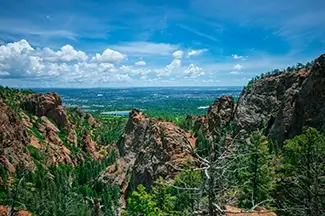
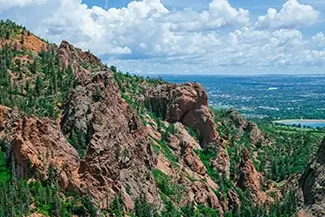
Tucked into the rugged foothills just west of Colorado Springs, North Cheyenne Cañon Park feels like stepping into another world—a place where towering red rock cliffs rise dramatically from the earth, pine-scented breezes whisper through dense forests, and the sound of cascading waterfalls echoes through ancient canyons. It’s an invitation to explore, to wander, and to lose yourself in the untamed beauty that defines Colorado’s wild spirit.
North Cheyenne Cañon Park is an awesome spot for hiking, with stunning views, cool waterfalls, and trails that are perfect for both casual strolls and serious adventures.
Spanning over 1,600 acres, North Cheyenne Cañon Park is a breathtaking blend of geology, ecology, and history. This isn’t the kind of park you casually pass through—it’s a place that pulls you in with its rugged charm and holds you there, urging you to take just one more trail, one more photo, one more deep breath of crisp mountain air. Whether you’re an avid hiker, a casual nature lover, or someone seeking a quiet escape from the city, North Cheyenne Cañon Park offers something special.
Long before Colorado Springs existed, North Cheyenne Cañon was a sacred space, cherished by the Indigenous peoples who first roamed its rugged landscape. The Ute tribes, in particular, navigated these canyons for generations, drawn to the area not just for its resources but for its spiritual significance. You can almost feel that sense of reverence when you stand beneath the towering cliffs or listen to the quiet rush of water trickling through the rocks.

Fast forward to the late 1800s, when Colorado Springs was beginning to take shape. Enter General William Jackson Palmer, a Civil War veteran and the city’s founder, whose vision for Colorado Springs extended far beyond just streets and buildings. Palmer was a passionate advocate for public green spaces, believing that natural beauty should be preserved for everyone to enjoy. In 1885, he donated vast tracts of land—including North Cheyenne Cañon Park—to the city, laying the foundation for what would become one of Colorado Springs’ most beloved parks. His foresight helped shape the area into an outdoor paradise, ensuring that future generations could experience the wildness that he so deeply admired.
Today, as you hike the same trails once walked by Native tribes, early settlers, and nature enthusiasts from around the world, you become part of that living history. North Cheyenne Cañon Park feels timeless, yet every footstep adds a new story to its ever-growing legacy.

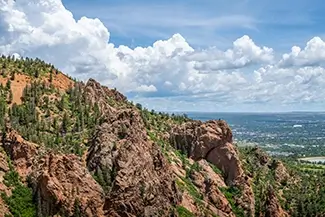
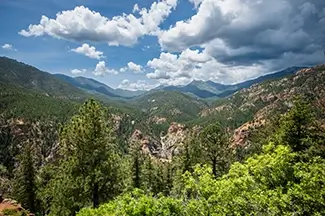
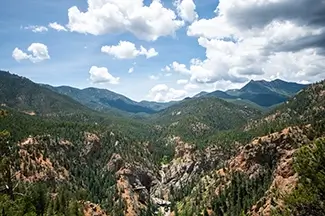
One of the first things that strikes you as you enter North Cheyenne Cañon Park is how dramatically the landscape changes. You leave behind the wide, open plains of Colorado Springs and suddenly find yourself enveloped by steep canyon walls, dense forests, and rocky outcrops that seem to defy gravity. North Cheyenne Cañon Park sits at a natural crossroads where the plains meet the mountains, creating a rich mosaic of ecosystems that support an astonishing diversity of plant and animal life.
The vegetation here tells its own story. At lower elevations, ponderosa pines stand tall and proud, their thick, reddish bark exuding a faint scent of vanilla when warmed by the sun. As you climb higher, the forest deepens into stands of Douglas fir and white fir, their dark green needles creating cool, shaded canopies overhead. In the spring and summer, wildflowers explode in bursts of color along the trails—vivid columbines (Colorado’s state flower), delicate penstemons, purple lupines, and fiery Indian paintbrush all compete for your attention. Autumn brings its own magic, as groves of quaking aspens turn brilliant shades of gold, their leaves trembling in the breeze like coins catching the sunlight.

Wildlife is everywhere if you know where to look. Mule deer are common, often spotted grazing quietly in the meadows or darting across trails. If you’re lucky (and quiet), you might catch a glimpse of a red fox trotting through the underbrush, its fiery tail flicking like a flame. North Cheyenne Cañon Park is also home to more elusive creatures like black bears and bobcats, though sightings are rare and fleeting. Overhead, peregrine falcons and red-tailed hawks ride thermals, their sharp cries echoing against the canyon walls. Birdwatchers often find themselves enchanted by the park’s feathered residents, from the bright flashes of mountain bluebirds to the cheerful chatter of chickadees hidden among the pines.
But the real magic of North Cheyenne Cañon Park isn’t just in its plants or wildlife—it’s in how all these elements come together to create an immersive, almost otherworldly experience. Whether you’re standing beside a rushing waterfall, gazing out from a rocky summit, or simply sitting quietly beneath the trees, you feel connected to something bigger, wilder, and wonderfully timeless.

While hiking is the park’s main attraction, North Cheyenne Cañon Park offers plenty of other ways to connect with nature. Gold Camp Road, with its historic railway tunnels, is a favorite for mountain bikers and adventurous drivers. Riding through those dark, echoing tunnels—cool and mysterious even on the hottest days—adds an extra layer of excitement to any outing.
For those who prefer a slower pace, North Cheyenne Cañon Park is a paradise for birdwatchers and wildlife enthusiasts. The Starsmore Visitor and Nature Center, located at the park’s entrance, is a great place to start. Here, you can learn about the area’s ecology, pick up trail maps, and even get tips on where to spot local wildlife. Whether you’re scanning the skies for soaring raptors or peering into the undergrowth for signs of deer or foxes, there’s always something to discover.

And if you’re a photographer, prepare to fall in love. The way light filters through the canyon, casting long shadows and illuminating the red rock walls, is nothing short of magical. Sunrise and sunset paint the landscape in rich hues of orange, pink, and gold, while the midday sun reveals every rugged detail in sharp relief.
There’s something about North Cheyenne Cañon Park that lingers long after you’ve left. Maybe it’s the way the light dances on the canyon walls, the echo of footsteps on a quiet trail, or the simple joy of standing at a summit with the world spread out below you. It’s a place that invites exploration but also reflection—a reminder of the wild beauty that exists just beyond the edges of our busy lives. So, the next time you find yourself in Colorado Springs, carve out time for North Cheyenne Cañon Park. Lace up your hiking boots, fill your water bottle, and head for the hills. Adventure is waiting.
North Cheyenne Cañon Park Trails
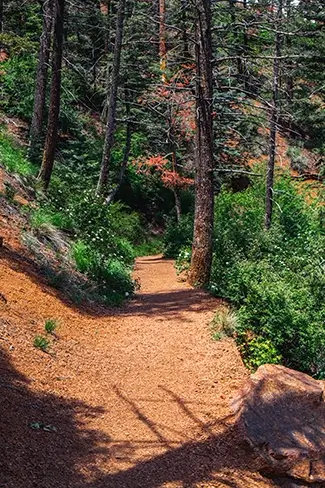
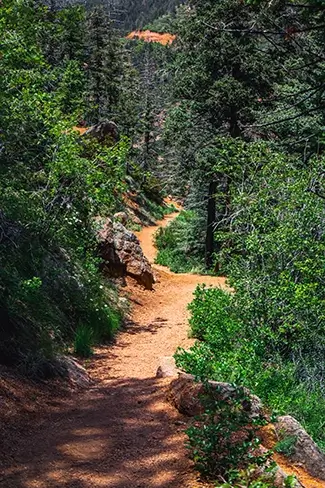
If North Cheyenne Cañon Park has a heartbeat, it pulses along its trails. Hiking here isn’t just a pastime—it’s a way of experiencing the park’s soul. The trails weave through dense forests, climb rocky ridges, and follow the cool, clear waters of mountain streams. Each path has its own personality, offering a unique window into North Cheyenne Cañon Park’s diverse landscapes.
One of the most beloved trails is the Columbine Trail, a scenic route that stretches 8 miles, paralleling North Cheyenne Creek as it climbs through the canyon. Starting near North Cheyenne Cañon Park entrance, the trail meanders upward with a gentle yet steady incline, making it accessible for most hikers while still offering a satisfying challenge. What makes this trail special isn’t just its length—it’s the way it threads through the heart of the canyon, offering sweeping views of rugged cliffs, wildflower-strewn meadows, and the occasional flash of water glinting through the trees. In the fall, the trail transforms into a golden corridor, with aspen leaves carpeting the path in brilliant hues.
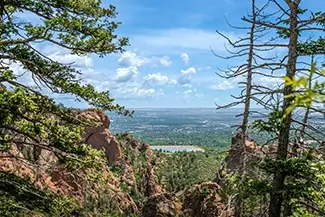
For those craving big views without a big time commitment, the Mount Cutler Trail is a perfect choice. At just under two miles round trip, it’s a quick hike that delivers in a big way. The trail starts with a gentle incline, winding through ponderosa pines and scrub oak before opening up to expansive vistas that stretch all the way to downtown Colorado Springs. As you gain elevation, the views just keep getting better, culminating in a breathtaking panorama at the summit of Mount Cutler. From here, you can see the distant shimmer of Seven Falls, the towering silhouette of Pikes Peak, and the sprawling cityscape below.

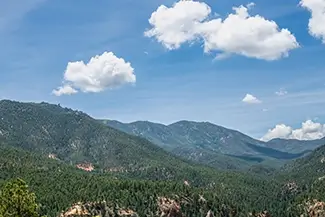
But if you’re looking to push your limits a bit more, consider taking on the Mount Muscoco Trail. This one is a bit more rugged, with steeper sections that demand a little extra effort. The payoff, however, is worth every step. Standing atop Mount Muscoco, you’re rewarded with sweeping, 360-degree views that stretch across the Front Range and deep into the wilderness beyond. The wind feels different up here—crisper, wilder—as if you’ve stepped into a realm untouched by time.
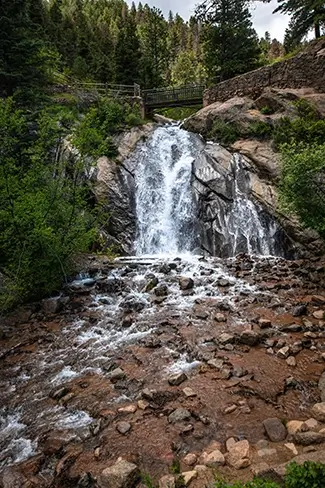
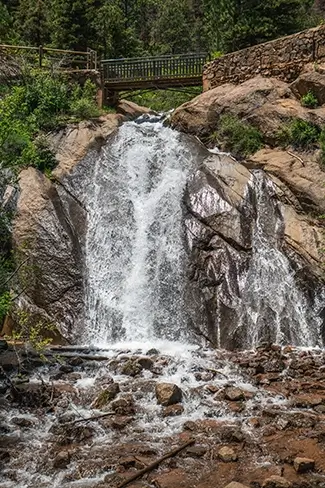
For waterfall lovers, few hikes compare to the journey to St. Mary’s Falls Trail. This trail starts along the remnants of an old railway, a nod to the area’s mining history, before veering into dense forest and following the course of a lively mountain stream. The trail’s steady climb is punctuated by the sound of rushing water, growing louder as you near the falls. And then, there it is—a stunning cascade tumbling down a rocky cliff, framed by evergreens and mist-kissed rocks. It’s the kind of place where you just want to sit for a while, letting the cool spray and rhythmic roar of the water wash over you.
Another favorite is the whimsical Seven Bridges Trail, a moderate hike that feels like an adventure straight out of a storybook. True to its name, the trail crosses seven charming wooden bridges, each one offering a new angle on the creek that tumbles alongside. The bridges aren’t just practical—they add a sense of playfulness to the hike, especially for kids (or the young at heart). The forest here feels particularly lush, with mossy rocks and ferns adding a splash of green even in the height of summer.
What’s Nearby North Cheyenne Cañon Park
Just a short drive away, Garden of the Gods offers towering red sandstone formations with stunning views of Pikes Peak, perfect for hiking and photography. Nearby, Paint Mines Interpretive Park showcases colorful, eroded clay formations that create a surreal, otherworldly landscape.
For more adventure, Castlewood Canyon State Park features rugged trails and the ruins of a historic dam. Further afield, Loveland Pass offers breathtaking mountain views along the Continental Divide, while the Great Sand Dunes National Park and Preserve boasts North America’s tallest dunes, ideal for hiking and sandboarding.
North Cheyenne Cañon Park Parking Information
Parking is available at several trailheads, though spaces fill quickly on weekends, especially during peak hiking seasons. Key parking areas include lots near the Starsmore Visitor and Nature Center, the Helen Hunt Falls Visitor Center, and designated pull-offs along North Cheyenne Cañon Road and Gold Camp Road. Some trailheads have limited parking spots, so getting there early is your best bet to avoid circling for a space. On busy days, especially in the summer, you may need to park farther down the road and walk a bit to your desired trailhead. Keep an eye out for posted signs, as certain areas prohibit parking to maintain traffic flow and protect natural habitats.
Further Reading
North Cheyenne Cañon Park Stock Photography
Explore our high-resolution images captured at North Cheyenne Cañon Park.
Available for personal & commercial use.




North Cheyenne Cañon Park Address & Directions