

Mackinac Bridge: The Mighty Mac that Connects Michigan
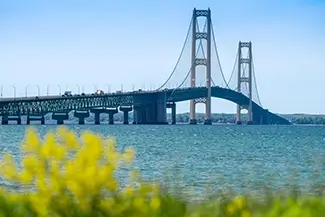
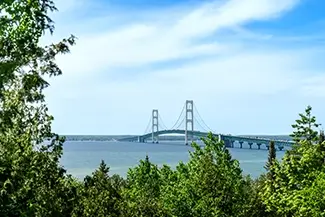
The Mackinac Bridge, affectionately known as the “Mighty Mac,” is one of the most iconic structures in the United States. Stretching across the turbulent waters of the Straits of Mackinac, this engineering marvel connects Michigan’s Upper and Lower Peninsulas, linking the cities of Mackinaw City in the south and St. Ignace in the north. It is a sight to behold, standing as one of the longest suspension bridges in the world and an essential part of Michigan’s history and culture.
The Mackinac Bridge is a stunning feat of engineering with amazing views, rich history, and a perfect gateway to Michigan’s best adventures.
For decades, the Mackinac Bridge has served as a vital transportation link, bringing communities together and supporting tourism and commerce. Before its construction, travelers had to rely on ferries to make the crossing, which was often a slow and unreliable process, especially during Michigan’s harsh winters. Today, the bridge stands as a symbol of unity, perseverance, and engineering brilliance, drawing thousands of visitors each year who marvel at its sheer size and beauty.
The story of the Mackinac Bridge begins long before it was even built. For centuries, the Straits of Mackinac served as a critical passage for Native American tribes, fur traders, and explorers navigating between Lake Michigan and Lake Huron. By the 20th century, as automobiles became the primary mode of transportation, the need for a more efficient way to cross the straits became clear.

Before the bridge, travelers depended on the Mackinac Transportation Company Ferry Service, which began in the 1920s. While the ferry system was crucial, it was often overwhelmed by long lines and delays, especially during peak travel seasons. In 1923, the first serious proposal for a bridge emerged, but it would take more than three decades before the dream became a reality.
Under the leadership of Governor G. Mennen Williams, funding and planning for the Mackinac Bridge gained momentum in the 1950s. Renowned engineer David B. Steinman was selected to design the bridge, and construction began on May 7, 1954. Despite the challenges of working in unpredictable waters and harsh weather conditions, the bridge was completed on November 1, 1957, after just over three years of construction. It officially opened to traffic on November 1, 1957, forever changing the way Michiganders traveled between the peninsulas.

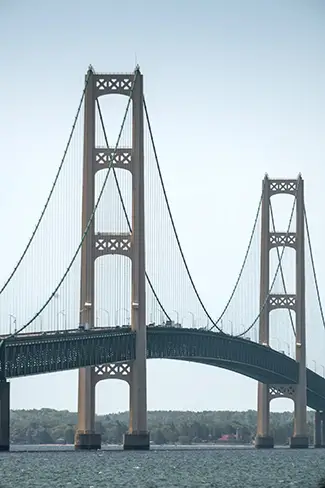
The Mackinac Bridge spans a total length of 26,372 feet (5 miles), making it one of the longest suspension bridges in the world. Its main suspension span is 3,800 feet long, placing it among the top suspension bridges globally in terms of length. The two towering 552-foot-high main towers support the weight of the structure, allowing it to flex and adapt to strong winds, ice, and the movement of the water below.
The bridge deck sits 199 feet above the water at its highest point, providing ample clearance for freighters and ships traveling through the straits. Given the region’s extreme weather conditions, the design incorporates a grated road surface in certain sections, allowing wind to pass through rather than push against the bridge.

One of the most fascinating aspects of the Mackinac Bridge is its ability to move. Due to wind and temperature changes, the bridge can sway up to 35 feet in either direction! This might sound alarming, but the bridge was designed for this movement, making it one of the safest suspension bridges in existence.
For first-time travelers, crossing the Mackinac Bridge can be both exhilarating and intimidating. The five-mile-long journey offers breathtaking views of the Great Lakes, but the height and open surroundings can make it nerve-wracking for some drivers.

The bridge has a maximum speed limit of 45 mph (subject to change), and during adverse weather conditions, speeds may be further reduced for safety. During high winds or icy conditions, authorities may restrict certain vehicles, such as RVs and motorcycles, from crossing.
For those uncomfortable driving across, the Mackinac Bridge Authority offers a “Driver Assistance Program.” Motorists who are anxious about driving over the bridge can request a bridge authority worker to drive their vehicle across. This free service (subject to change) has been a lifesaver for many uneasy drivers over the years.

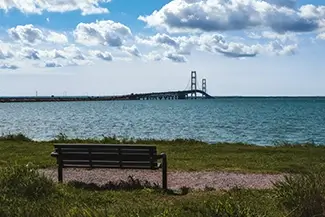
The Mackinac Bridge is a symbol of Michigan’s ingenuity, resilience, and beauty. Whether you’re driving across for the first time, participating in the annual bridge walk, or admiring it from a nearby beach, the Mighty Mac leaves a lasting impression.
For those who love history, engineering, or simply breathtaking views, the Mackinac Bridge is a must-visit destination. It continues to stand strong against the elements, ensuring that generations of Michiganders and travelers alike can experience its grandeur for years to come.
What’s Nearby Mackinac Bridge
Just a few hours southwest of the Mackinac Bridge, Sleeping Bear Dunes National Lakeshore is a must-visit for anyone who loves sweeping views, sandy beaches, and towering dunes. Climbing the dunes is a workout, but the view of Lake Michigan at the top is totally worth it.
North of the bridge, the Upper Peninsula is full of natural treasures. Seney National Wildlife Refuge is a quiet escape, perfect for spotting birds and wildlife. Tahquamenon Falls State Park is home to one of the biggest waterfalls east of the Mississippi, with its golden, rushing water surrounded by dense forest. Not far away, Sable Falls tumbles beautifully through a wooded landscape, while Green Point Dunes Nature Preserve offers a quiet, less-traveled stretch of Lake Michigan’s shoreline—ideal for a peaceful walk with incredible views.
Mackinac Bridge Parking Information
Parking directly on the Mackinac Bridge is not allowed, as the bridge is an active transportation route with no designated stopping areas for vehicles. For those wanting to enjoy views of the Mighty Mac, parking is available nearby in Mackinaw City and St. Ignace. Ferry travelers can also find parking near the docks, while the Mackinac Bridge Authority provides a lot for those needing driver assistance across the bridge.
Further Reading
Mackinac Bridge Stock Photography
Explore our high-resolution images captured at Mackinac Bridge.
Available for personal & commercial use.




Mackinac Bridge Address & Directions